
5 Killer Quora Answers To Best Counterfeit Money
페이지 정보

본문
The Best Counterfeit Money: Understanding Quality and Techniques
Counterfeit money has actually long captivated people, generating taboo conversations around its methods, production, and prevention. In today's world, comprehending counterfeit money is not just a matter of interest but a vital aspect of monetary literacy. From recognizing fake notes to discovering the technology utilized in producing high-quality fakes, this comprehensive guide intends to inform readers about the best practices surrounding counterfeit money.
What is Counterfeit Money?
Counterfeit money describes imitation currency produced without the legal sanction of the state, created to look like authentic currency in appearance and functionality. The creation of counterfeit money is a crime worldwide, with serious penalties for those captured in ownership or distribution of fake notes. While it's ideal to think of these deceptive developments in a moral context, understanding them can also aid in finding out how to safeguard oneself versus scams.
Kinds Of Counterfeit Money
The production of counterfeit money can generally be divided into two categories: Low-Quality Counterfeits and High-Quality Counterfeit Money Counterfeits. Below is a contrast table that lays out the distinctions between these 2 types.
| Qualities | Low-Quality Counterfeit | High-Quality Counterfeit |
|---|---|---|
| Production Method | Inkjet printers, photocopying | Professional-grade printing devices |
| Paper Quality | Common paper, not simulating currency feel | Specialized currency paper with texture |
| Security Features | Lacks holograms, watermarks, and micro-prints | High precision mimicry of authentic security features |
| Visual Similarity | Mismatched colors and sizes | Near-perfect similarity to real notes |
| Detection | Easily identifiable by casual examination | Needs sophisticated detection techniques and tools |
Table: Low-Quality vs High-Quality Counterfeit Money
| Classification | Low-Quality | High-Quality |
|---|---|---|
| Cost | Low-cost to produce | More costly; requires skill and resources |
| Risk of Discovery | High threat; quickly detected | Low risk; may evade casual analysis |
| Legal Consequences | Worsened if captured | Serious; expert crooks face long sentences |
| Common Uses | Small-scale scams, hobbyist forgeries | Organized crime, massive distribution |
Legal and Ethical Considerations
The conversation of counterfeit money undoubtedly results in ethical and legal factors to consider. While counterfeit money can be appealing to study, it is essential to remember that the illegal production and circulation of counterfeit currency harm economies and people alike. Participating in counterfeit activities is punishable by long jail terms and significant fines. Police and organizations work relentlessly to fight this criminal activity, using innovative technologies and thorough training for detection.
Exploring the Art of Counterfeit
For educational functions, it might be fascinating to examine the methods and innovations embraced in the production of high-quality counterfeit currency. Here are some typical techniques:
Advanced Printing Techniques: Counterfeiters may utilize balanced out printing, lithography, and even digital methods to create more authentic-looking money.
Specialized Paper: Some counterfeiters go as far as to get paper that mimics the texture and composition of real currency.
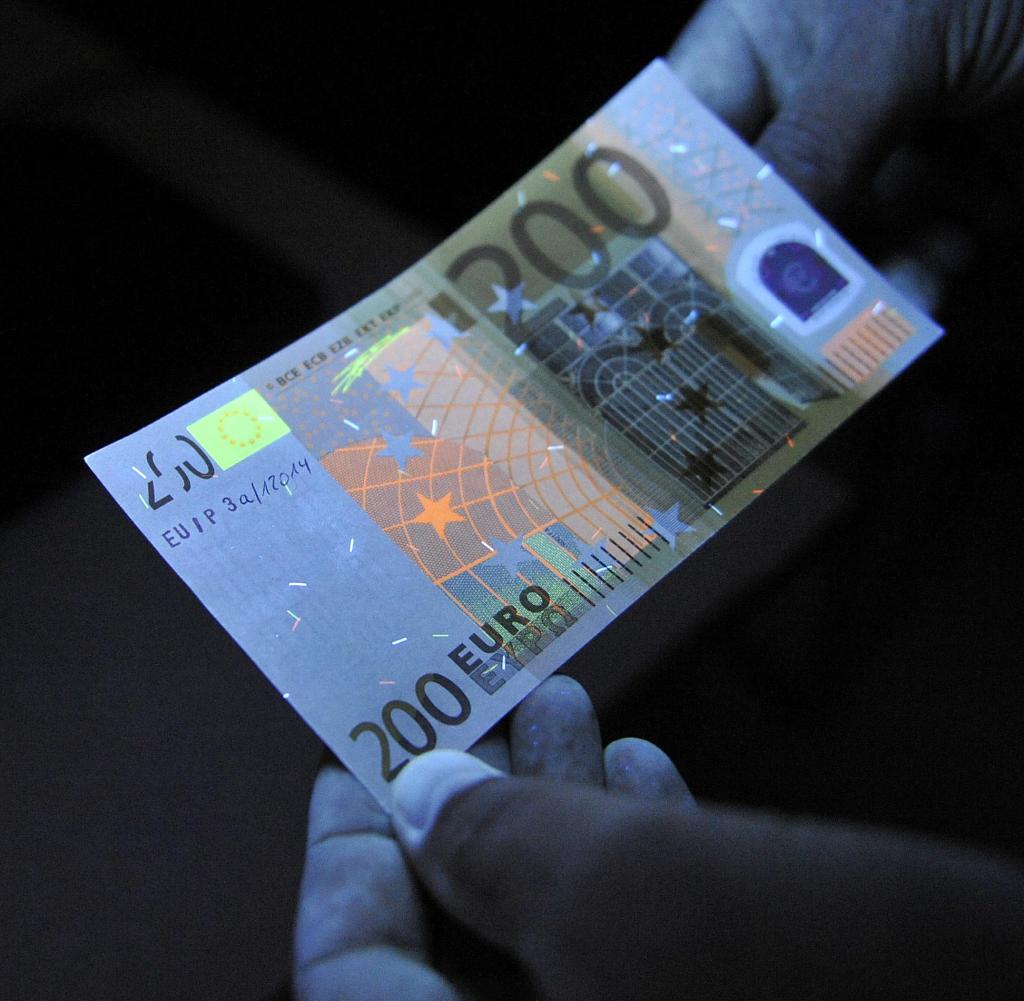
Duplicating Security Features: Advanced counterfeiters take the time to replicate security features such as watermarks, microprinting, and color-shifting inks.
Digital Manipulation: High-quality counterfeiting typically involves using graphic style software to change and perfect the counterfeit images.
Determining Counterfeit Money
As counterfeiting innovation develops, so too does the capacity for individuals to recognize counterfeit money. Here is a checklist that can assist:
Checklist: Signs of Counterfeit Currency
- Feel the Paper: Genuine currency has an unique texture that counterfeit paper frequently does not have.
- Inspect for Watermarks: Hold the costs up to the light and look for watermarks, which are a security feature.
- Take a look at the Details: Look closely at the images, text, and borders for any smudging or disparities.
- Use the Tilt Test: Many currencies feature ink that changes color when tilted.
- Microprinting Verification: Use a magnifying glass to find small letters or patterns that are tough to recreate.
Table: Security Features of Popular Currencies
| Currency | Key Security Features |
|---|---|
| GBP | Watermarks, color-shifting ink, microprinting, security thread |
| Euro | Holograms, windowed security thread, microprinting |
| British Pound | Watermark, color-changing ink, raised print |
How to Protect Yourself from Counterfeit Money
To make sure security while transacting, consider carrying out the following techniques:
- Use Multiple Verification Methods: Combine different identification strategies for greater precision.
- Inform Yourself: Stay upgraded on the latest counterfeit trends and techniques.
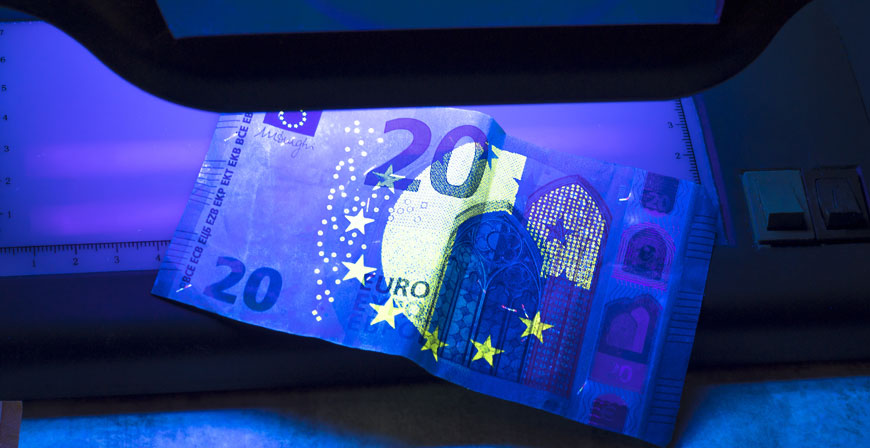
- Use Technology: Invest in counterfeit detection tools like UV lights and magnifiers.
- Report Suspicious Currency: Inform local law enforcement or your bank if you receive doubtful bills.
FAQ Section
Q: Why do people counterfeit money?A: Counterfeiting
is typically inspired by monetary gain, permitting individuals to illegally acquire items or services without legitimate currency. Q: What are the penalties for counterfeiting money?A: Penalties vary by jurisdiction however might include lengthy jail sentences, significant fines, and restitution. Q: How can I find counterfeit money without special tools?A: Familiarize yourself with the feel and security functions of legitimate currency, utilizing typical checks such as the tilt test and visual assessment. Q: Can I report counterfeit money anonymously?A: Yes, many law enforcement firms enable anonymous ideas relating to counterfeit currency. Understanding the world of counterfeitmoney is vital for protecting oneself from monetary fraud.
While the creation of counterfeit currency is a criminal offense, informing oneself on the various types and methods
used in counterfeiting can function as a valuable tool for recognition and avoidance. As technology progresses, so do the strategies employed by counterfeiters, which further stresses the significance of continuous knowing and vigilance in this location. By engaging with this topic, people can substantially improve their monetary literacy and security techniques.
- 이전글What's The Current Job Market For Accident Injury Compensation Professionals? 25.12.12
- 다음글9 . What Your Parents Taught You About Louisiana Asbestos Exposure Effects 25.12.12
댓글목록
등록된 댓글이 없습니다.